Catch Problems Before Your Customers Do
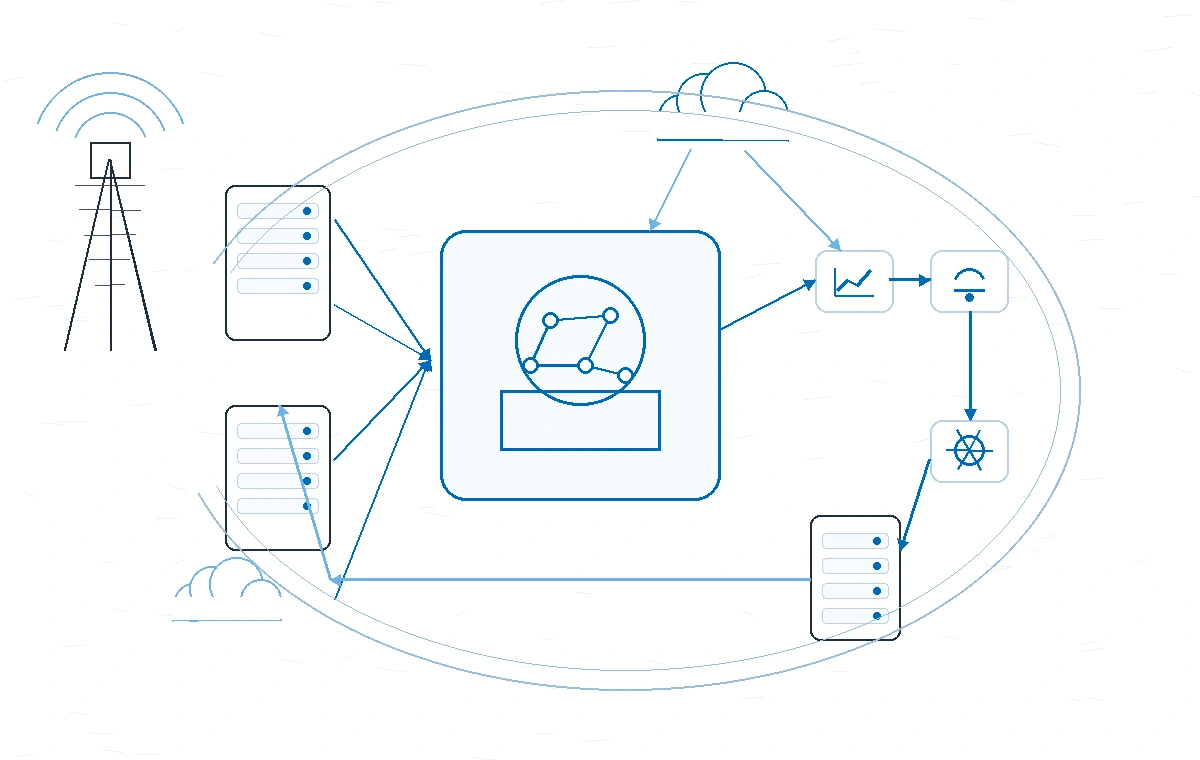
We build OpenTelemetry-based observability, anomaly detection, and automation workflows for telecom systems, using Prometheus and Grafana as the telemetry foundation with automated analysis layered on top.
The Problem
Most operations teams find out about a problem after something breaks, not before. Dashboards exist, but someone has to be watching them at exactly the right moment. As systems become more distributed, with more microservices and more moving parts, this only gets harder without better tooling in place.
What We Do
Observability Setup
Prometheus for metrics collection and Grafana for visualization, across every service in your system.
Anomaly Detection
AI models trained on your system's normal behavior, flagging deviations before they turn into outages.
Predictive Alerting
Surfacing likely issues based on early signals, not just threshold breaches after the fact.
Automated Incident Response
Routing and prioritizing alerts so the right team sees the right issue immediately with pre-computed traces.
How We Build It
We build this deliberately as an augmentation layer on top of solid observability data, not a black box AI operations platform.
The models are trained on your actual system metrics, so the alerting gets more accurate the longer it runs. Your team can always see the underlying data, not just an AI generated verdict they have to take on faith.
What You Get
Fewer surprise outages, faster root cause identification when something does go wrong, and an operations team that spends less time staring at dashboards and more time acting on what actually matters.
Related Case Studies
Predictive Monitoring Rollout for a National Telecom Operator
The operations team typically learned about system issues only after they caused visible service degradation. Monitoring existed but remained largely reactive, and there was no effective early warning mechanism.